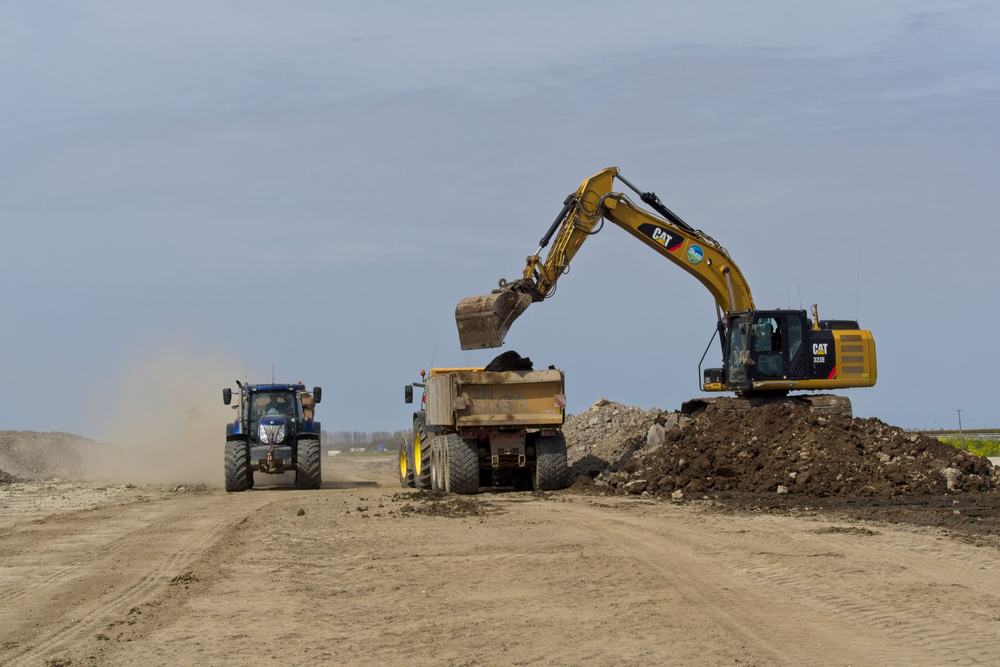
It's Thursday night and you're finally looking at your email. Somewhere in the sent folder is the site prep bid you sent a developer two weeks ago: grading, a building pad and some storm pipe. You spent a Saturday morning walking it and most of a Sunday pricing it. Since then, nothing.
You think about calling. Then you think about how it'll sound. You don't want to be the guy who calls every three days. So you tell yourself they'll call if they want you, and you close the laptop.
A lot of owners handle open bids exactly that way. Here's why it can cost you work, and a simple way to follow up that doesn't feel like begging.
Why bids go quiet
Silence after a bid doesn't always mean no. A lot of the time it means the person you sent it to is busy too.
The developer is waiting on the bank, the engineer or the county. The GC is collecting other numbers and hasn't sat down to compare them. The property owner got your bid, meant to call, and then their week happened. Your bid is sitting in their inbox the same way their callback sat in your head.
When nobody follows up, the decision gets made by whoever stays in front of them. Sometimes that's the low number. Sometimes it's just the outfit that called back.
When to follow up
Set the follow-up date the day you send the bid. Don't count on remembering it.
A simple rhythm that works for most bids:
- A few days after you send it, confirm they got it and offer to answer questions. Keep it short and easy.
- About a week after that, follow up with something useful (more on that below).
- When their decision date comes, ask for a straight answer.
If they gave you a date ("we're deciding by the end of the month"), go by their date instead of yours. If the job has a hard start, like a pad that has to be ready before the slab crew shows up, it's fine to follow up sooner, because timing matters to them too.
What to say so you don't sound like a pest
"Just checking in" is the follow-up everyone ignores, because it asks them to do the work. A good follow-up gives them something.
Answer a question they haven't asked yet. "Wanted to make sure the scope's clear. We priced the storm pipe to the property line, with the tie-in by others. Happy to walk through it."
Tell them when you could start. "We've got an opening the second week of next month if the timing works. If it slides, that's fine too." Developers and GCs care about schedule, and a real start window gives them a reason to answer.
Offer to walk it again. "If the plans have changed since I was out there, I'm glad to come walk it again before you decide." This one's handy when you know the engineer has been making revisions.
Ask for a straight answer when it's time. "Are you still deciding, or did this one go another way? Either answer helps me plan." People respect the contractor who asks plainly, and it's a lot easier to reply to than a vague nudge.
Keep each one short enough to read in a truck. Follow up the same way they reached you. If the bid went by email, follow up by email, and save the phone call for when you actually need to talk.
When the answer is no
A no feels bad for a minute, and then it's useful. It closes the loop and takes the bid off your list.
Ask one question before you move on: "Anything that would've made ours the better choice?" Sometimes it's price. Sometimes it's the start date, or another outfit already had a relationship with the GC. Write the answer down next to the bid. After a season of those notes, you'll know a lot more about where you win work.
Then thank them and ask to stay on their list. The person who said no this time may have the next job.
Keep one list of every open bid
None of this works if your bids live in five places. Some are in your sent folder, some are in texts, and one is on a scrap of paper in the truck. If you can't see every open bid in one place, follow-ups will slip, especially in the busy months when you have the least time.
Keep one list. For each bid, write down who it went to, what it was for, when you sent it and the next follow-up date. Look at it twice a week, at lunch or on the drive home. Anything with a date that's passed gets a short message that day.
Where an AI assistant fits
The habits above are simple. Keeping up with them from the seat is the hard part.
That's where the Revexus AI assistant helps. It keeps track of your tasks and callbacks so nothing slips through the cracks, including the follow-up you owe on a bid. It replies to emails and works with you, your crew and your customers, so the list of who you owe isn't living in your head. When a follow-up date comes up, it's on the list waiting for you.
Pricing the job and making the call are still yours. What changes is that the bid you spent a Sunday on doesn't go quiet because nobody remembered it.
Start with the bids you already have
Tonight or this weekend, pull up every bid you've sent in the last couple of months that hasn't been decided. Put them on one list with a follow-up date for each. Then send one useful follow-up on the oldest one.
If keeping that list current turns out to be more than you can do from the seat, that's a good time to get some help.
Got bids sitting out there with no answer? Tell us about the part of your week that keeps slipping. We'll find your biggest headache together and tell you straight whether we can help.